
Market Insights
As published in DMAR Market Trends, March 2026
More homes are being sold out of necessity rather than desire, with a growing number of sellers being older homeowners who require additional support throughout the moving process.
Many agents are reporting an increase in conversations with sellers who aren’t necessarily in a rush but want to better understand the best time to sell this year. In guiding these discussions, agents are relying heavily on 2025 data, as the market so far is tracking very similarly to last year.
Water is becoming a real market story here. Denver Water declared Stage 1 drought conditions on March 25, and is seeking a 20% reduction in total use and imposed mandatory outdoor watering restrictions. This impacts landscaping, HOA common areas, operating costs and the broader cost-of-living conversation.
Denver Summit FC acquired land at Santa Fe Yards for a future stadium. The development will be Colorado’s first stadium and entertainment district designed specifically for women’s professional sports.
In March, Governor Polis signed the HOME Act, allowing schools, universities and nonprofits to build housing regardless of local zoning, boosting supply while also sparking debates over local control.
The Denver Broncos plan to buy the Burnham Yard site for approximately $46 million—less than the state originally paid—as a key step toward building a new stadium and large mixed-use development in Denver.
A new Colorado bill (HB-1308) would allow Front Range homeowners to split their lots and sell portions—such as an ADU or vacant land—with limited local government involvement. It builds on prior legislation that made it easier to add ADUs, now giving owners the option to sell those units separately or create space for new homes. The measure has passed the House and is part of a broad-er effort to increase housing supply in urban areas.
Metro Denver continues to struggle with a huge surplus of office space, especially downtown, where the vacancy rate is approaching 40% and some buildings are selling for steep discounts.
State planners are studying up to five potential sites for a new “West Metro” train station in Arvada that could connect to Colorado’s proposed mountain rail line, with results expected after an eight-month evaluation.
A developer has pulled a controversial annexation request in Castle Pines for the Crowsnest project as the city continues to examine growth.
According to Census data, Denver-area residents are shifting from Denver and Arapahoe counties toward Weld, Douglas (Parker/Highlands Ranch) and Larimer counties, or leaving Colorado entirely. Together, Denver and Arapahoe counties lost almost 18,000 residents to domestic migration as people traded urban living for the suburbs.
A consistent national picture for early 2026: cautious buyer re-engagement and improving affordability, with expectations of steady—rather than explosive—growth in purchases through the year. Sales are ticking up seasonally but remain historically subdued, while prices are stable to modest.
Fannie Mae and Freddie Mac have introduced updates to condominium project standards and property insurance requirements for one- to four-unit properties and project developments. These changes include stricter condo reserve expec-tations, which may make some units harder to finance and could increase HOA dues, as well as adjustments intended to reduce costs, such as allowing ACV roof coverage for condo buildings while maintaining RCV for the rest of the property, along with revisions to deductibles and limited reviews.
The U.S. economy has remained remarkably resilient amid tariff shocks, the rapid rise of Al, sluggish job growth, reduced population gains tied to immigration policy, weak consumer sentiment and a prolonged government shutdown. Even against this backdrop, real GDP continues to grow at roughly two percent annually. However, new headwinds are emerging, including rising oil prices and inflation, softening conditions in private equity and debt markets, and the increasing likelihood of delayed or absent rate cuts.
Fix-and-flip investors are struggling to find inventory as competition has increased significantly.
MORTGAGE NEWS
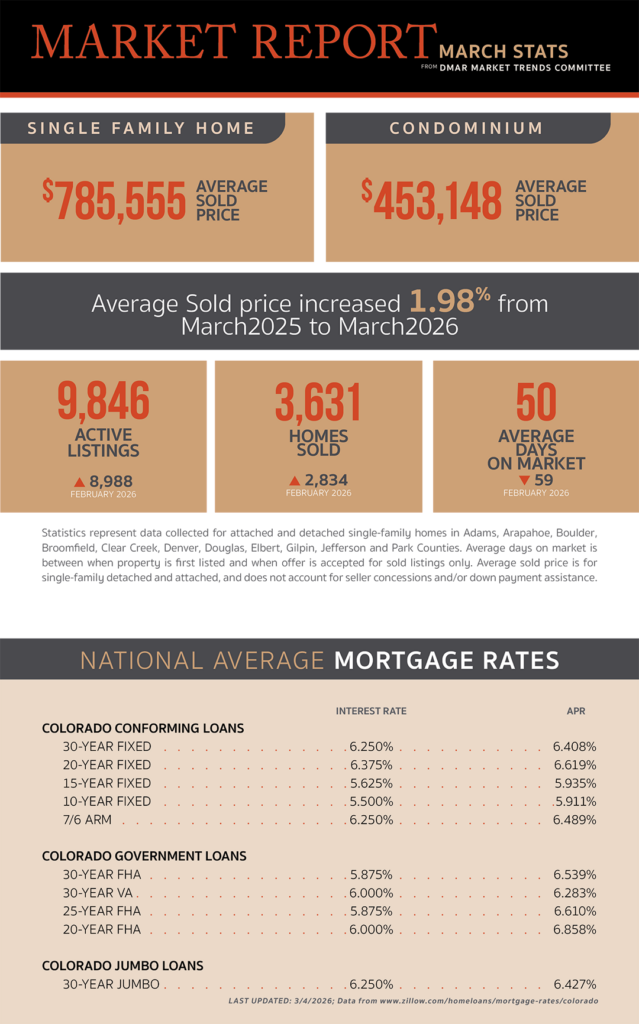
After dipping below 6% earlier in 2026, mortgage rates have reversed course, creating renewed affordability pressure just as the spring market gains momentum. While buyer activity had started to rebound during the earlier rate decline, rising borrowing costs are beginning to temper demand and reduce refinancing activity.
Looking ahead, forecasts remain cautiously optimistic. Many projections still call for rates to ease later in 2026, potentially falling back toward the high 5% range, though that outlook is highly dependent on inflation cooling and broader economic stability.


Be the first to comment