
A Home’s Dirty Little Secret Gets a Design Solution
By Melissa Dittmann Tracey, contributing editor for NAR REALTOR® News and editor of the Styled, Staged & Sold blog
A thoughtfully staged drop zone or mudroom can turn an everyday catchall into a feature that catches a buyer’s eye.
Flip through real estate listings, and the usual scroll of pristine kitchens, bedrooms and bathrooms may now include another all-star within the photo collections: the mudroom.
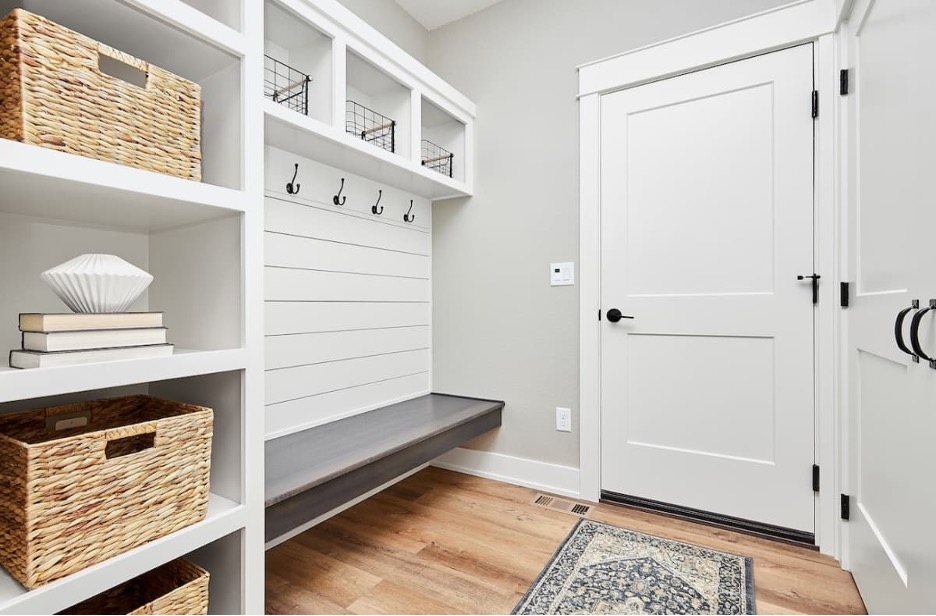
Real estate pros are putting these hardworking spaces front and center, showcasing mudrooms and drop zones as features that can hook prospective buyers. These aren’t just a place to toss muddy shoes and wet coats, either. These spaces are getting makeovers in the home, including cubbies, drawers and built-in benches that transform them from the “messy space” of the house into a thoughtfully designed, highly functional area.
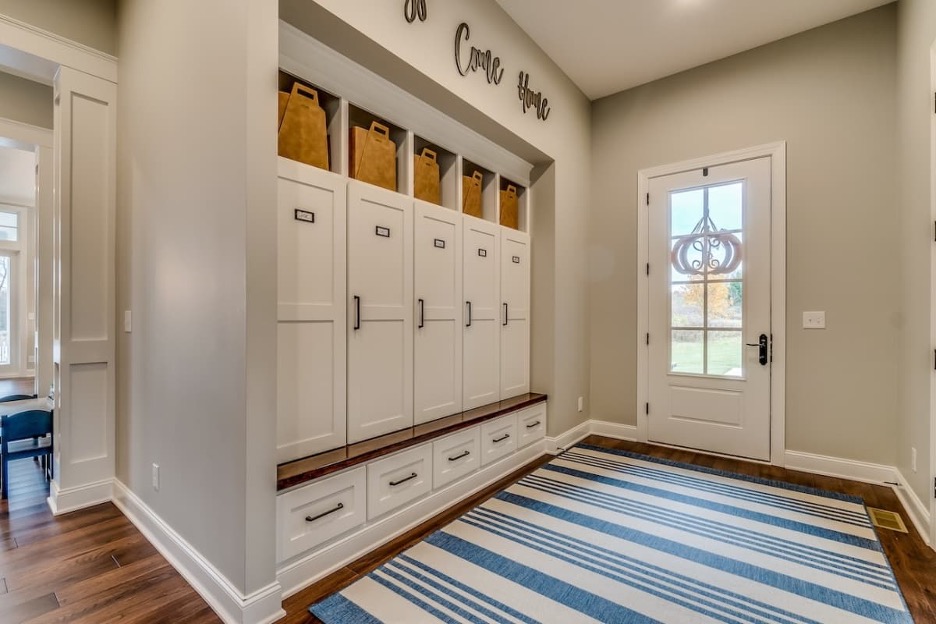
Architects are seeing more demand for these hardworking spaces, according to the American Institute of Architects’ Q3 2026 Home Design Trends Survey of more than 300 residential architecture firms. Thirty percent of respondents reported that mudrooms are growing in popularity this year, up from 21% in 2025.
As homes have become increasingly multifunctional, homeowners may be looking for ways to keep the everyday mess of life from spreading into the rest of the house. A well-designed mudroom is serving as a home’s landing zone. It’s a place to drop shoes, coats, backpacks, sports equipment, pet gear and packages before making your way into the living spaces of the home.
Mudrooms don’t require a big, dedicated space either. As long as they’re near an entryway, they can be added into a small corner or hallway, laundry room or even the garage entrance.
What Makes a Good Drop Zone?
Mudrooms are less about square footage and more about providing creative storage solutions and drop zone areas. A well-designed mudroom takes into account:
- Location: Drop zones work best near an entryway. If the kids kick off their shoes at the back door, that’s where the storage should be—not across the room where they’ll trek dirty shoes across the floor.
- Landing spot for everyday gear: Hooks can be used to hold coats and bags. Cubbies, drawers and baskets can help keep smaller items contained.
- The messy stuff: Durable flooring and easy-to-clean surfaces make a drop zone easier to maintain and better for storing muddy boots, shoes and everyday wear. A boot tray or rubber mat can be a good addition for wet shoes.
- The little things: Homeowners may add practical extras, such as a charging station for their tech, a drop zone for the mail, hooks for car keys and pet leashes, and a bench for putting on shoes or boots.
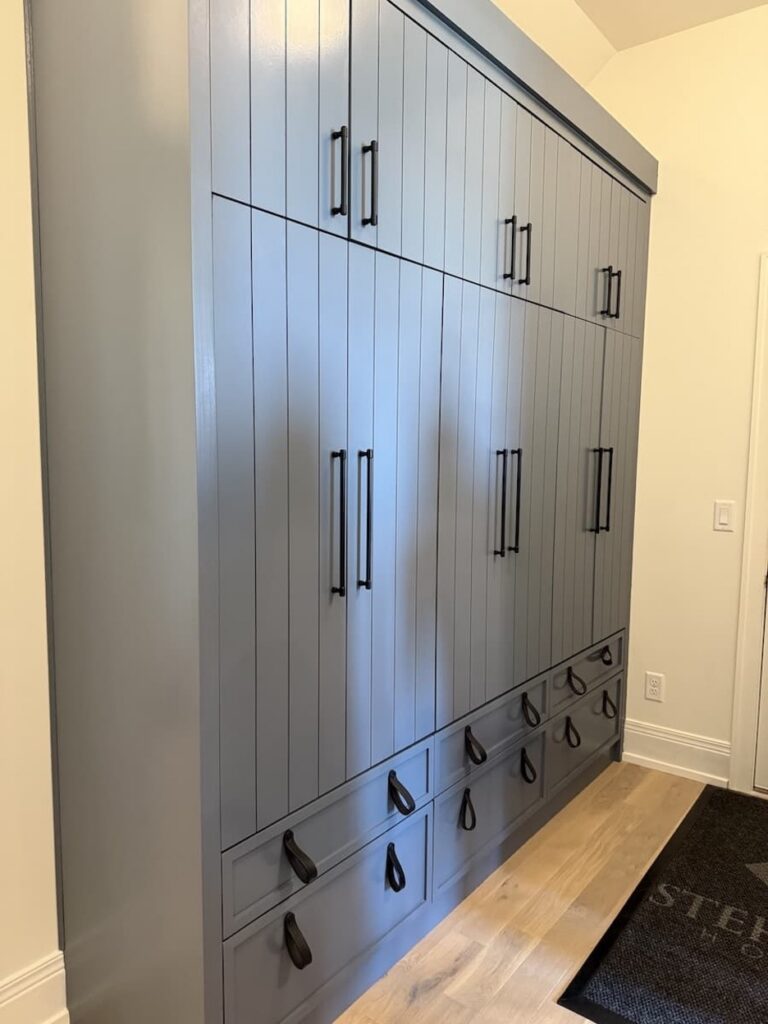
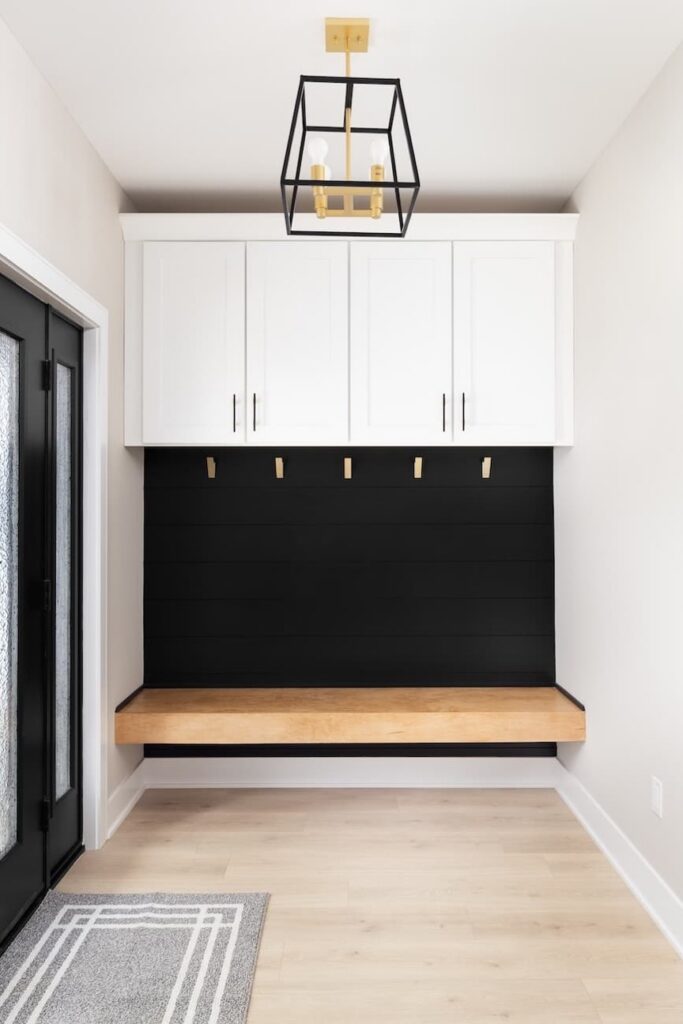
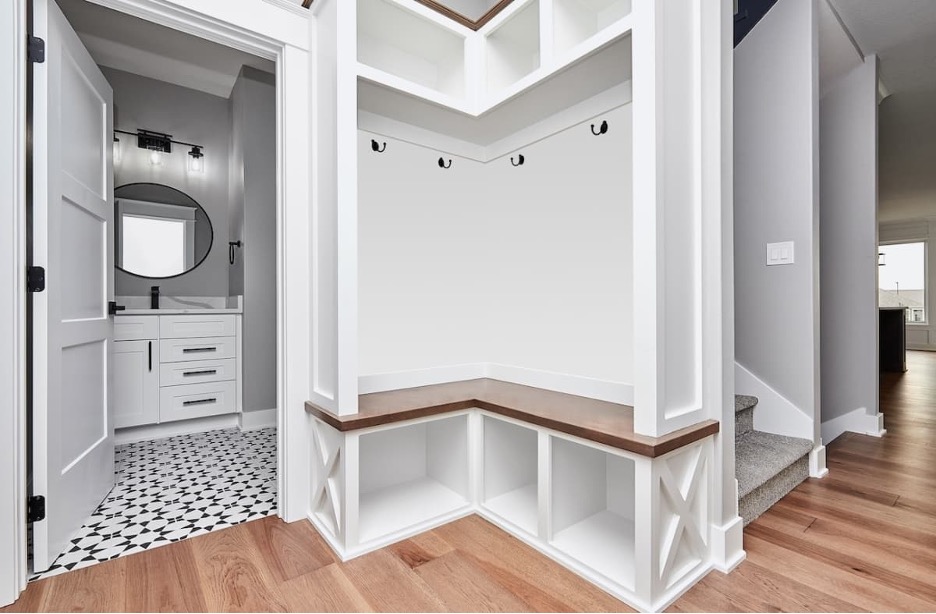
View some inspiration for mudroom design, which shows that they don’t always require a ton of space to add these in.


Be the first to comment